




-
Lloyd's Unlimited, LLC
-
 Chester County Guides
-
 0 Comments
-
 August 21, 2026
Comprehensive Guide to Septic System Installation
Understanding soil composition and percolation rates
Every successful septic system installation starts with a clear understanding of your property’s soil characteristics and how they determine which type of system will function reliably for decades. Before excavation services arrive or the first shovel breaks ground, soil testing reveals whether your land can support a conventional septic system or requires specialized design modifications tailored to Chester County conditions.
A percolation test, commonly called a perc test, measures how quickly water moves through the soil. This rate determines the size of your drainfield and influences the entire system layout. South Carolina’s Department of Health and Environmental Control (DHEC) mandates these tests before issuing construction permits, and the results directly impact your project timeline and budget. Properties that fail the initial perc test don’t necessarily lose the ability to install a septic system, but they do require alternative designs that add complexity and cost.
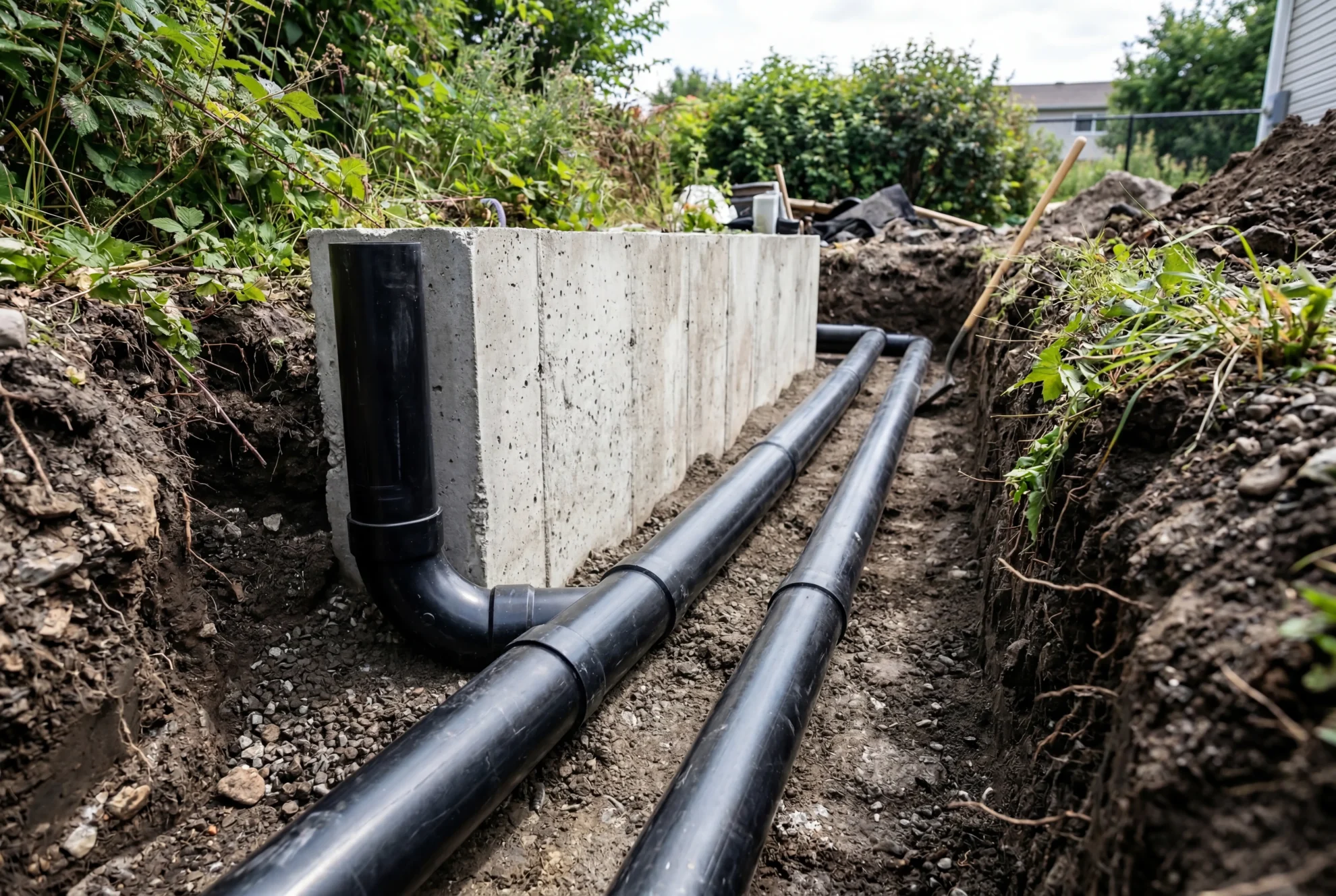
Conventional septic systems work well in soils with moderate percolation rates, typically between 5 and 60 minutes per inch. These systems rely on gravity to move wastewater from the tank through distribution pipes into the drainfield, where soil microorganisms break down contaminants before the water reaches groundwater. The drainfield consists of perforated pipes laid in gravel-filled trenches, with the soil itself serving as the final treatment stage.
Properties in Chester County present varied soil conditions shaped by the region’s geology and topography. Some areas feature clay-heavy soils that drain slowly, requiring larger drainfields to handle the same volume of wastewater a smaller system would process in sandier conditions. Other parcels have sandy or loamy soils that drain quickly but may need additional filtration layers to provide adequate treatment. The soil testing phase also identifies the depth to bedrock and the seasonal high-water table, both critical factors that determine tank placement and drainfield configuration.
When perc test results fall outside the acceptable range for conventional systems, alternative designs come into play. Mound systems elevate the drainfield above the natural soil surface, creating adequate separation between the distribution pipes and the water table or bedrock. These systems require importing sand and gravel to build the mound, which increases material costs and demands precise grading to ensure the mound remains stable and drains correctly. Drip irrigation systems use shallow buried tubing to distribute treated effluent across a wider area, allowing properties with poor soil or limited space to meet absorption requirements.
Lot size and setback requirements add another layer of complexity to system selection. DHEC regulations specify minimum distances between the drainfield and wells, property lines, buildings, and surface water. A conventional system might require 5,000 square feet of drainfield area plus setback zones, which can challenge properties with irregular shapes, steep slopes, or existing structures. Alternative systems sometimes reduce the required footprint, but they introduce mechanical components and ongoing maintenance costs that conventional gravity systems avoid.
When Lloyd’s Unlimited, LLC evaluates a property for septic system installation, the team examines not just the immediate installation area but also how site grading, existing vegetation, and drainage patterns will interact with the new system. This excavation-first perspective catches potential conflicts early, before they become expensive change orders or failed inspections. A grading contractor experienced in septic work recognizes when a site’s natural slope can support gravity flow or when a pump station will be necessary to move effluent uphill to the drainfield.
Seasonal factors influence system performance in ways that soil tests alone don’t always reveal. Chester County experiences periods of heavy rainfall, particularly during spring and late summer, that raise water tables and saturate drainfield soils. Systems installed without adequate consideration of seasonal high-water conditions may function acceptably during dry months but fail during wet periods when the soil can’t absorb additional water. Proper system sizing accounts for these fluctuations, building in capacity that prevents overload during high-demand or high-moisture periods.
The relationship between system type and long-term maintenance costs deserves careful consideration during the design phase. Conventional systems require periodic pumping, typically every three to five years, but have no mechanical parts to repair or replace. Alternative systems with pumps, alarms, or aerobic treatment units need regular servicing beyond tank pumping, and component failures can shut down the system entirely until repairs are completed. Understanding these differences helps property owners make informed decisions that balance upfront installation costs against ongoing operational expenses.
Vegetation clearing and site access also influence system selection and installation feasibility. Wooded lots may offer ideal soil conditions but require land clearing to create space for the drainfield and provide equipment access for installation and future maintenance. Removing large trees near the drainfield area prevents root intrusion, a common cause of pipe clogs and system failures. Lloyd’s Unlimited uses forestry mulching techniques that clear vegetation while preserving topsoil structure, maintaining the soil characteristics that made the site suitable in the first place.
Properties with slopes present both challenges and opportunities. Moderate slopes can enhance system performance by encouraging drainage away from the absorption area, but steep slopes require terracing or retaining structures to create level installation areas. The excavation and grading work needed to prepare sloped sites demands precision, as improper cuts can trigger erosion, alter drainage patterns, or create unstable areas that shift after the system is installed.
Choosing the right system type ultimately comes down to matching your property’s physical characteristics with a design that meets regulatory requirements and fits your budget. Skipping the thorough assessment phase or trying to force a conventional system onto a site that needs an alternative approach leads to permit denials, failed inspections, and systems that never perform as intended. Working with an experienced excavation and grading contractor who understands both the engineering requirements and the practical realities of Chester County properties ensures your septic system installation starts with a solid foundation and a realistic plan that delivers long-term reliability.
Securing permits and meeting regulatory standards
Before any excavation begins, your property’s soil must be tested to determine its ability to absorb and filter wastewater. A percolation test measures how quickly water drains through the soil, which directly impacts the size and design of your drainfield.
In South Carolina, the Department of Health and Environmental Control (DHEC) requires specific perc test results before issuing permits. Clay-heavy soils common in parts of Chester County drain slowly and may require larger drainfields or alternative system designs. Sandy soils drain faster but offer less filtration, requiring different considerations.
The soil testing phase also identifies the depth to bedrock and the seasonal high-water table, both critical factors that determine tank placement and drainfield layout. Properties with high water tables or shallow bedrock face additional engineering challenges that must be addressed during the design phase. Skipping or rushing this step leads to failed inspections, system malfunctions, and expensive redesigns after excavation has already begun.
Precision excavation and drainfield preparation
Excavation is where septic system design meets physical reality. This phase requires precision that goes far beyond digging a hole. The tank must sit level and stable, the drainfield trenches must follow exact slope specifications, and the entire installation must integrate with your property’s existing drainage patterns.
Land clearing often comes first, especially on wooded or overgrown parcels. Removing trees, stumps, and vegetation creates access for equipment and ensures roots won’t threaten the drainfield in future years. Lloyd’s Unlimited, LLC uses forestry mulching to clear sites efficiently while leaving the soil structure intact, a technique that prevents erosion and preserves the soil characteristics measured during the perc test.
The tank excavation itself demands accuracy. Tanks that settle unevenly crack and leak. Tanks placed in improperly compacted soil shift over time, breaking inlet and outlet connections. The excavation must account for the bedding layer beneath the tank, backfill material around the sides, and adequate cover depth on top, all while maintaining clearances from buildings, wells, and property lines.
Drainfield trenching requires even tighter tolerances. Trenches must follow precise depth and slope specifications to distribute wastewater evenly across the absorption area. Too steep, and effluent rushes to one end, overloading that section. Too shallow, and the system fails to provide adequate treatment before wastewater reaches groundwater. Grading contractors with septic experience understand these requirements and build them into every cut.
Installing components and passing inspections
With excavation complete, the tank and drainfield components go into place following the approved site plan. Tanks must be positioned level in both directions, verified with precision instruments before backfilling begins. Inlet and outlet pipes connect at specific elevations to ensure proper flow, and vents extend above grade to release gases safely.
The drainfield installation involves laying perforated distribution pipes in gravel-filled trenches, with each pipe maintaining the exact slope specified in the design. Geotextile fabric separates the gravel from surrounding soil, preventing fine particles from clogging the system over time. The distribution box, which divides flow evenly among drainfield lines, must sit level to function correctly.
Inspections occur at critical milestones throughout installation. The first inspection happens after excavation but before any components are placed, allowing the inspector to verify dimensions, depths, and clearances. The second inspection occurs after the tank is set but before backfilling, confirming proper installation and connections. The final inspection reviews the completed drainfield and overall system before the site is restored.
Timing these inspections correctly prevents rework and delays. An experienced excavation contractor schedules inspections in advance and ensures the site is ready when the inspector arrives. Lloyd’s Unlimited, LLC manages this coordination as part of their septic installation process, removing the burden from property owners and ensuring each phase receives approval before work continues. This systematic approach delivers properly functioning systems that serve properties reliably for decades.
Protecting your investment through proper care
A properly installed septic system requires minimal intervention but benefits from informed stewardship. Understanding how your system works and what it needs helps you avoid problems and maximize its service life.
Tanks should be pumped every three to five years, depending on household size and water usage. This maintenance removes accumulated solids that would otherwise clog the drainfield. Waiting too long between pumpings allows solids to escape into the drainfield, causing permanent damage that requires excavation and replacement.
The drainfield area needs protection from compaction. Heavy vehicles, sheds, and other structures crush the soil structure and pipes below, blocking the absorption process. Keep the area clear and plant only shallow-rooted grass above the drainfield. Trees and shrubs send roots into the moist drainfield environment, clogging pipes and requiring expensive repairs.
Monitor your property’s drainage patterns, especially after heavy rain. Standing water near the drainfield or slow-draining fixtures inside the home signal potential problems. Addressing drainage issues early prevents system overload and extends the life of your installation. Lloyd’s Unlimited, LLC offers drainage services that integrate with existing septic systems, redirecting surface water away from drainfields and protecting your investment. Their experience with grading and excavation means they understand how water moves across your property and can implement solutions that work with your system rather than against it.
If you’re planning a septic system installation in Chester County, contact Lloyd’s Unlimited for a thorough site assessment and detailed project estimate. Their team brings excavation, grading, and land clearing expertise to every project, ensuring your system is installed correctly from the start and integrated seamlessly with your property’s unique conditions.
